




Blog Summary
This guide explains what commodities are in investing and why they matter for portfolio diversification. It covers key categories like energy, metals, and agriculture, including gold, oil, copper, silver, and natural gas. It also highlights major factors affecting prices such as supply and demand, inflation, geopolitical events, and global economic trends. Readers will learn different ways to invest in commodities, including ETFs, stocks, futures, and CFDs, along with basic risks and simple steps for beginners to get started.
Table of contents
Many investors look beyond stocks and bonds to find new opportunities. Popular commodities include gold, crude oil, copper, and agricultural products. These assets often react differently to market conditions than traditional investments.
Before choosing a commodity, it’s important to understand what commodities are in investing. Commodities are raw materials and natural resources that are bought and sold in global markets. Their prices are influenced by factors such as supply and demand, inflation, and economic conditions.
In this guide, you’ll learn about the best commodities to invest in for 2026. We’ll also explain what affects commodity prices and explore the different ways investors can gain exposure to commodity markets.
What Are Commodities in Investing?
Before discussing what are the best commodities to invest in, it’s important to understand what are commodities in investing.
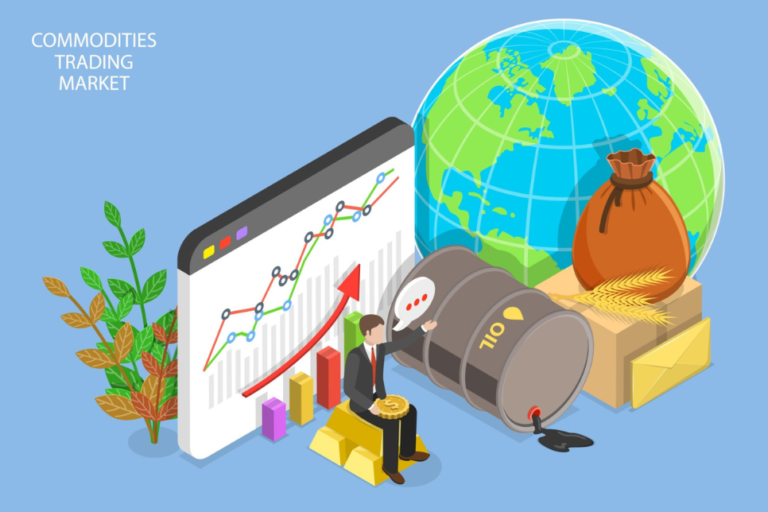
Commodities are physical goods that can be bought, sold, and traded in global markets. Unlike stocks, which represent ownership in companies, commodities represent tangible resources.
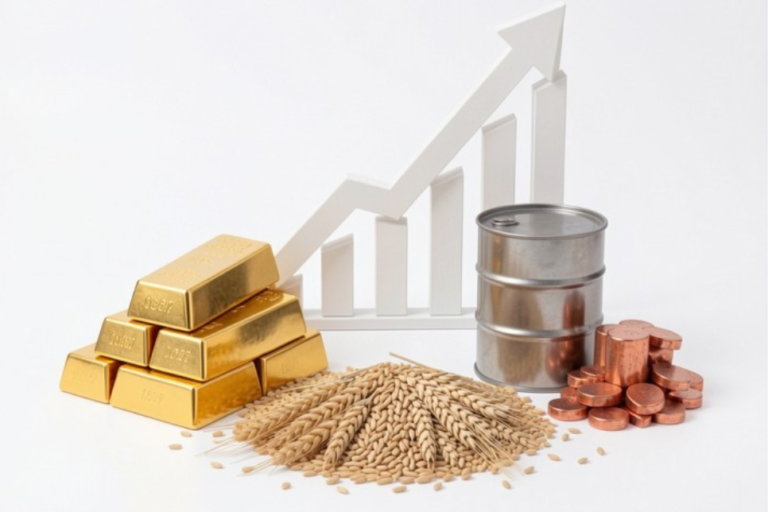
Major commodity categories include:
Energy Commodities
- Crude Oil
- Natural Gas
- Gasoline
Precious Metals
- Gold
- Silver
- Platinum
- Palladium
Industrial Metals
- Copper
- Aluminum
- Nickel
- Zinc
Agricultural Commodities
- Wheat
- Corn
- Soybeans
- Coffee
- Sugar
Investors often use commodities to diversify portfolios because commodity prices may move independently from stocks and bonds.
Why Invest in Commodities?
Many investors include commodities in their portfolios for several reasons.
Diversification
Commodity prices often respond differently to economic events than stocks.
Inflation Protection
Many commodities historically perform well during periods of rising inflation.
Global Growth Exposure
Economic expansion increases demand for many commodities.
Portfolio Stability
Certain commodities can provide balance during market uncertainty.
This is one reason investors frequently ask what are good commodities to invest in when building diversified portfolios.
What Are the Best Commodities to Invest In?
The answer depends on your investment goals, risk tolerance, and market outlook. However, several commodities continue to attract strong investor interest in 2026.
1. Gold
Gold remains one of the most popular commodities in the world.
Why Investors Like Gold
- Store of value
- Inflation hedge
- Safe-haven asset
- Central bank demand
Gold often attracts investors during periods of economic uncertainty or market volatility.
Potential Risks
- Limited income generation
- Can underperform during strong economic growth
Despite these risks, gold remains one of the first answers when investors ask what are the best commodities to invest in.
2. Crude Oil
Crude oil is one of the most actively traded commodities globally.
Why Investors Like Oil
- Strong global demand
- High liquidity
- Economic growth exposure
Oil prices are closely tied to transportation, manufacturing, and industrial activity.
Potential Risks
- Geopolitical disruptions
- Supply changes
- Economic slowdowns
Oil can experience significant volatility, making risk management important.
3. Copper
Copper has gained significant attention in recent years.
Why Investors Like Copper
Copper plays a key role in:
- Electric vehicles
- Renewable energy
- Infrastructure projects
- Construction
Many analysts consider copper a long-term growth commodity because of increasing demand from global electrification efforts.
Potential Risks
- Economic slowdowns
- Industrial demand fluctuations
4. Silver
Silver offers both industrial and investment demand.
Why Investors Like Silver
- Precious metal characteristics
- Industrial applications
- Renewable energy demand
Silver is used in:
- Solar panels
- Electronics
- Medical equipment
Because it serves multiple purposes, silver can benefit from both economic growth and investor demand.
Potential Risks
- Higher volatility than gold
- Industrial demand sensitivity
5. Natural Gas
Natural gas remains a critical energy commodity.
Why Investors Like Natural Gas
- Growing global energy demand
- Important role in electricity generation
- Increasing export opportunities
Natural gas prices can respond quickly to weather events and supply disruptions.
Potential Risks
- Seasonal demand fluctuations
- Weather-related volatility
6. Agricultural Commodities
Agricultural products remain essential to global food supply chains.
Popular agricultural commodities include:
- Wheat
- Corn
- Soybeans
- Coffee
- Sugar
Why Investors Like Agriculture
- Constant global demand
- Population growth support
- Food security importance
Potential Risks
- Weather events
- Crop diseases
- Trade policy changes
Agricultural commodities often provide diversification benefits that differ from metals and energy markets.
Commodity Comparison Table
Commodity | Main Investment Theme | Risk Level | Growth Potential |
Gold | Safe haven, inflation hedge | Low-Medium | Medium |
Silver | Precious metal + industrial use | Medium | Medium-High |
Crude Oil | Global economic activity | High | Medium-High |
Copper | Infrastructure and electrification | Medium | High |
Natural Gas | Energy demand | High | Medium |
Agriculture | Food demand | Medium | Medium |
This comparison helps investors evaluate what are good commodities to invest in based on their objectives.
Current Commodity Trends in 2026
Several major trends are influencing commodity markets.
Energy Transition
Demand for metals such as:
- Copper
- Nickel
- Lithium
continues growing due to electric vehicles and renewable energy projects.
Central Bank Gold Buying
Central banks around the world continue adding gold reserves, supporting demand.
Infrastructure Spending
Government infrastructure projects are increasing demand for industrial metals.
Supply Chain Changes
Companies are diversifying supply chains, creating new commodity demand patterns.
These trends are helping shape investor decisions regarding what are the best commodities to invest in today.
Ways to Invest in Commodities
Investors have multiple options.
Commodity ETFs
ETFs provide easy exposure without owning physical commodities.
Examples include:
- Gold ETFs
- Silver ETFs
- Energy ETFs
Commodity Stocks
Investors can purchase shares of:
- Mining companies
- Energy producers
- Agricultural businesses
Futures Contracts
Futures provide direct exposure but are generally more complex.
CFDs
CFDs allow traders to speculate on commodity price movements without owning the underlying asset.
Commodity Stocks vs Commodities
Many investors choose between commodity stocks and direct commodity exposure.
Commodity Stocks | Direct Commodities |
Ownership in companies | Exposure to commodity prices |
Company-specific risk | Commodity-specific risk |
Potential dividends | No dividends |
Management influences returns | Driven mainly by supply and demand |
Both approaches have advantages depending on investment goals.
Risks of Commodity Investing
Market Volatility
Commodity prices can change rapidly.
Geopolitical Events
Political instability often impacts supply.
Economic Conditions
Demand can weaken during recessions.
Currency Fluctuations
Most commodities are priced in U.S. dollars.
How Beginners Can Start Investing in Commodities
Step 1: Understand the Market
Learn what drives commodity prices.
Step 2: Choose Your Investment Method
Select ETFs, stocks, futures, or CFDs based on your experience level.
Step 3: Start Small
Avoid overexposure when learning.
Step 4: Diversify
Avoid concentrating your portfolio in a single commodity.
Step 5: Monitor Global Trends
Commodity markets react to worldwide events.
Final Thoughts
Understanding commodities can help you build a more diversified investment portfolio. They provide exposure to important sectors of the global economy and can create opportunities in different market conditions.
When choosing commodities to invest in, consider your financial goals, risk tolerance, and investment timeline. Gold, crude oil, copper, silver, natural gas, and agricultural products remain some of the most popular commodity markets in 2026.
There is no single commodity that is right for every investor. The best choice depends on your objectives and current market conditions. Trade 24/7, a CMA-regulated broker, provides access to global commodity markets through MT5. The platform offers advanced trading tools to help traders and investors analyse market opportunities and manage their positions more effectively.
FAQs
Commodities are raw materials and natural resources such as gold, oil, silver, and agricultural products that investors can trade or invest in.
Popular choices include gold, silver, crude oil, copper, natural gas, and agricultural commodities because of their importance in the global economy.
Gold, silver, and certain energy commodities are often considered attractive during periods of rising inflation.
Yes. Many beginners start with commodity ETFs or commodity-related stocks because they are easier to access than futures markets.
Some commodities can be more volatile than stocks because they are heavily influenced by supply, demand, weather, and geopolitical developments.
Ready to Trade Like a Pro?
Open Your Account