




Blog Summary
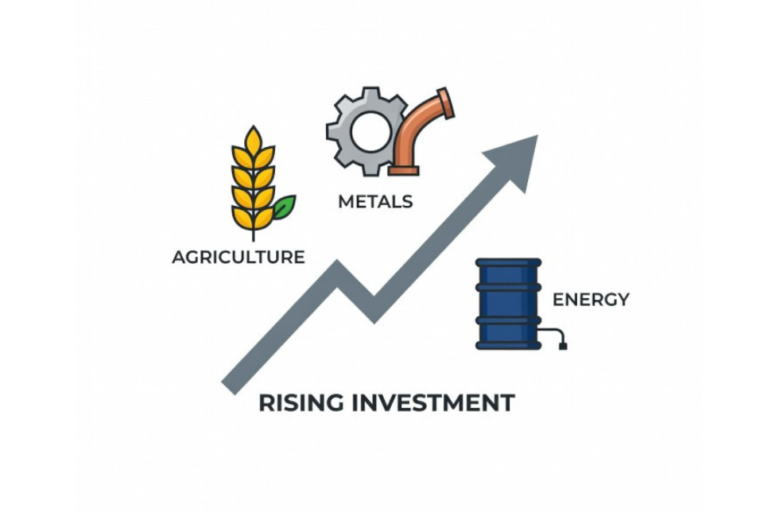
Learn what commodity trading is and how it works in this beginner-friendly guide for Nigerian investors. Explore major commodity types, trading methods, commodity stocks, key factors that drive prices, risks, benefits, and simple steps to start trading in the Nigerian market with confidence.
Table of contents
Many new investors in Nigeria start their trading journey with stocks, forex, or indices. However, commodities have been traded for centuries and remain one of the most important asset classes in global financial markets. If you have ever wondered what commodity trading is, you are not alone. Commodity trading involves buying and selling raw materials and natural resources such as gold, crude oil, silver, natural gas, wheat, and cocoa.
As Nigeria continues to grow as an emerging market with strong ties to energy and agriculture, interest in commodity trading is increasing among both new and experienced investors. Understanding how commodity trading works can help you diversify your investment portfolio and gain exposure to global market trends. Since commodity prices often move differently from stocks and bonds, they can play an important role in a balanced investment strategy.
In this beginner’s guide, you will learn how commodity trading works, the different types of commodities, how commodity markets compare with stocks, and how investors in Nigeria can get started through a regulated trading platform.
What Is Commodity Trading?
Commodity trading is the buying and selling of physical goods or financial contracts linked to those goods. Unlike stocks, which represent ownership in a company, commodities are tangible assets that are produced, consumed, and traded across global markets.
In Nigeria, commodity trading is gaining attention among investors looking to diversify their portfolios and gain exposure to global markets, especially in sectors linked to energy and agriculture. Through regulated brokers and modern trading platforms such as MT5, traders can access a wide range of commodity markets without taking physical ownership of the underlying assets.
Examples of commonly traded commodities include:
- Gold
- Silver
- Crude Oil
- Natural Gas
- Copper
- Wheat
- Corn
- Coffee
- Sugar
The objective of commodity trading is similar to other forms of trading: to buy at a lower price and sell at a higher price, or to potentially benefit from falling prices by taking short positions, depending on market conditions.
Commodity markets play a vital role in the global economy by helping determine the prices of essential raw materials used across industries. For investors in the UAE, commodities also offer opportunities to diversify investments and respond to global economic trends, inflation, and changes in supply and demand.
Types of Commodities
Understanding the different commodity categories is essential when learning what is commodity trading.
Hard Commodities
Hard commodities are natural resources that are extracted or mined from the earth.
Examples include:
- Gold
- Silver
- Platinum
- Copper
- Crude Oil
- Natural Gas
These commodities are heavily influenced by industrial demand, geopolitical events, and global economic activity, especially in markets like Nigeria where oil and mineral resources play a major role in the economy.
Soft Commodities
Soft commodities are agricultural products that are grown rather than mined.
Examples include:
- Coffee
- Cocoa
- Sugar
- Wheat
- Corn
- Soybeans
- Cotton
Weather conditions, crop yields, seasonal cycles, and global demand often have a strong influence on soft commodity prices, especially in agriculture-driven economies like Nigeria.
Why Are Commodities Important?
Commodities are essential because they form the foundation of many industries.
For example:
- Crude oil powers transportation, manufacturing, and energy production.
- Gold is widely used in jewellery, technology, and as a store of value for investors.
- Wheat and corn are essential to global food production and supply chains.
- Copper is a key material used in construction, electronics, and renewable energy projects.
Because commodities are closely tied to real-world supply and demand, their prices often reflect broader economic conditions. In Nigeria, for example, changes in oil and agricultural commodity prices can have a direct impact on economic growth, trade balance, and inflation.
How Does Commodity Trading Work?
Commodity trading takes place through several financial instruments, each offering different ways for investors to access global commodity markets. These methods allow traders in Nigeria and worldwide to participate in price movements without always owning the physical asset.
Futures Contracts
A futures contract is an agreement to buy or sell a commodity at a fixed price on a future date. These contracts are widely used in global markets for both hedging and speculation.
For example:
A trader may agree to buy crude oil at ₦210,000 per barrel for delivery in three months. If the price rises to ₦240,000, the position may generate a profit based on the price difference.
Futures are widely used by:
- Producers
- Manufacturers
- Institutional investors
- Professional traders
CFDs (Contracts for Difference)
CFDs are popular among retail traders in Nigeria because they allow speculation on commodity price movements without owning the underlying asset.
Benefits include:
- Access to rising and falling markets
- Lower capital requirements
- No physical delivery
ETFs
Commodity ETFs provide exposure to commodities through stock exchanges. Instead of trading the commodity directly, investors trade units of funds that track commodity prices.
Examples include ETFs linked to:
- Gold
- Silver
- Energy
- Agriculture
Commodity Stocks
Many investors choose commodity-related companies rather than the commodities themselves. These are shares of companies involved in producing, processing, or transporting raw materials.
This leads to a common question: what are commodities stocks?
What Are Commodities Stocks?
Commodity stocks are shares of companies that are involved in producing, extracting, processing, or transporting commodities. Instead of trading the commodity directly, investors in Nigeria can gain exposure by investing in businesses linked to global commodity markets.
Examples include:
Commodity | Related Stocks |
Gold | Mining companies |
Oil | Energy producers |
Natural Gas | Exploration companies |
Copper | Mining firms |
Agriculture | Farming and fertilizer companies |
Investing in commodity stocks allows investors to benefit indirectly from movements in commodity prices while owning shares in established, publicly listed companies.
For example, when oil prices rise, energy companies may see higher revenues and profitability, which can positively impact their stock performance.
This is why many investors search for information on commodity stocks when exploring ways to participate in global commodity markets from Nigeria.
Factors That Influence Commodity Prices
Commodity prices move constantly due to changes in global supply and demand. In Nigeria and other global markets, traders closely monitor economic, political, and environmental factors that can influence price movements.
Economic Growth
Strong global economic growth increases demand for commodities such as oil, copper, and natural gas, especially as industrial activity and energy consumption rise.
Inflation
Commodities are often seen as a hedge against inflation because their prices may rise during periods of higher inflation, helping preserve purchasing power.
Weather Conditions
Agricultural commodities are heavily affected by:
- Droughts
- Floods
- Hurricanes
- Extreme temperatures
Geopolitical Events
Wars, sanctions, and political instability can disrupt global supply chains and commodity production. Oil markets, in particular, are highly sensitive to geopolitical developments, which is especially relevant for an energy-driven economy like Nigeria.
Currency Movements
Most commodities are priced in U.S. dollars, so fluctuations in the dollar can influence commodity prices. A stronger dollar can make commodities more expensive for buyers using other currencies, which can reduce demand.
Commodities vs Stocks
Many beginners wonder whether commodities or stocks are better investments.
Commodities | Stocks |
Represent physical goods | Represent ownership in companies |
Often influenced by supply and demand | Influenced by company performance |
Can hedge inflation | Can provide dividends |
Typically more volatile | Often better suited for long-term growth |
No ownership rights | Shareholder ownership rights |
Both asset classes can play important roles in a diversified portfolio.
Benefits of Commodity Trading
Diversification
Commodities often move differently compared to stocks and bonds, making them useful for diversifying an investment portfolio in Nigeria.
Inflation Protection
Certain commodities can help preserve value during inflationary periods, as their prices may rise when the cost of goods and services increases.
Global Opportunities
Commodity markets are driven by worldwide economic and political events, creating continuous trading opportunities across different time zones.
Liquidity
Major commodities such as gold and crude oil are highly liquid and actively traded, allowing easier entry and exit for investors.
Risks of Commodity Trading
While commodity trading offers several opportunities, it also carries a level of risk that investors in Nigeria should understand before participating.
High Volatility
Commodity prices can change quickly due to unexpected global events, leading to significant price fluctuations.
Leverage Risk
Many commodity trading products use leverage, which can amplify both potential profits and potential losses.
Market Complexity
Commodity markets are influenced by multiple factors at the same time, including supply, demand, economic data, and geopolitical events.
Geopolitical Risk
Political instability, conflicts, and policy changes can create sudden and unpredictable price movements, especially in energy-related commodities like oil and gas, which are highly relevant to Nigeria’s economy.
Current Trends in Commodity Markets
Commodity markets continue to evolve as global economic conditions, technology, and demand patterns shift. For investors in Nigeria, these trends are shaping how commodities are traded and where opportunities are emerging.
Energy Transition
The global shift toward renewable energy is increasing demand for industrial metals such as copper, lithium, and nickel, which are widely used in electric vehicles, batteries, and clean energy infrastructure.
Central Bank Demand for Gold
Many central banks continue to increase their gold reserves, supporting long-term demand for precious metals and reinforcing gold’s role as a store of value.
Supply Chain Disruptions
Global supply chain challenges have impacted the availability and pricing of various commodities, creating periods of volatility and trading opportunities.
Inflation Concerns
During periods of higher inflation, investor interest in commodities often increases, as they are viewed as a potential hedge against rising prices and currency fluctuations.
These developments highlight why commodity markets remain highly relevant for modern investors in Nigeria and around the world.
How Beginners Can Start Commodity Trading
Starting commodity trading in Nigeria is straightforward when you follow a structured approach and build your knowledge step by step.
Step 1: Learn the Basics
Before investing, understand how commodity markets work, including how prices move, what influences them, and the different trading instruments available.
Step 2: Choose a Trading Platform
Select a regulated commodity broker that provides access to global commodity markets and offers reliable trading platforms like MT5.
Step 3: Start With a Demo Account
Practice trading using a demo account first. This helps you understand market behaviour and build confidence without risking real capital.
Step 4: Focus on One Commodity
Many beginners in Nigeria start with highly liquid commodities such as gold or crude oil because they are widely traded and easier to follow.
Step 5: Use Risk Management
Always apply proper risk management techniques, including stop-loss orders and appropriate position sizing, to help protect your capital from unexpected market movements.
Common Beginner Mistakes
Trading Without Research
Many new traders in Nigeria enter commodity markets without fully understanding how prices move. Before placing any trade, it is important to study the key factors that affect commodities such as gold, crude oil, and agricultural products, which are actively traded in the region.
Ignoring Risk Management
Protecting your capital should always come first. In fast-moving markets like commodities, especially during periods of global volatility, not using proper risk controls can lead to avoidable losses.
Using Excessive Leverage
Leverage is widely available through trading platforms used in Nigeria, but it should be handled carefully. While it can increase potential returns, it can also amplify losses if the market moves against your position.
Following Market Hype
Avoid making trading decisions based on news headlines, online discussions, or social media trends. Commodity markets in Nigeria are influenced by global events, and emotional decisions often result in poor timing and unnecessary risk.
Final Thoughts
Understanding what commodity trading is can help investors in Nigeria expand beyond traditional asset classes and gain exposure to major global markets. Commodities play an important role in the global economy, and their prices are influenced by economic growth, geopolitical events, supply and demand, and environmental factors.
For those exploring commodity stocks, investing in commodity-related companies can offer indirect exposure to commodity price movements while still providing the benefits of owning shares in established businesses.
Whether you choose to trade commodities directly or invest through commodity stocks, having a clear understanding of the market and applying proper risk management is essential for long-term success.
Trade 24/7, an SCA-regulated broker, provides access to global financial markets through MT5, allowing traders in Nigeria to analyze commodity markets, track price movements, and manage trades using professional trading tools.
FAQs
Commodity trading is the buying and selling of raw materials such as gold, oil, natural gas, wheat, and coffee to profit from price movements.
Commodity stocks are shares of companies involved in producing, mining, processing, or transporting commodities. Examples include gold mining companies and oil producers.
Yes. Beginners in Nigeria can start by learning the basics, using demo accounts, and focusing on major commodities like gold or crude oil before exploring other markets.
Commodity prices are influenced by supply and demand, economic growth, inflation, weather conditions, geopolitical events, and currency movements.
Yes. Commodities often move differently from traditional asset classes like stocks and bonds, making them useful for portfolio diversification, especially for investors in Nigeria looking for global exposure.
Ready to Trade Like a Pro?
Open Your Account