




Good trading starts with strong forex risk management. Without it, even great strategies fail. With proper fx risk management, you protect your capital and avoid large losses. Risk control also helps you stay calm and focused. It teaches you to trade with rules instead of emotions. In this guide, you will learn the key skills and tools that help traders manage risk and build discipline.
Understanding Forex Risk
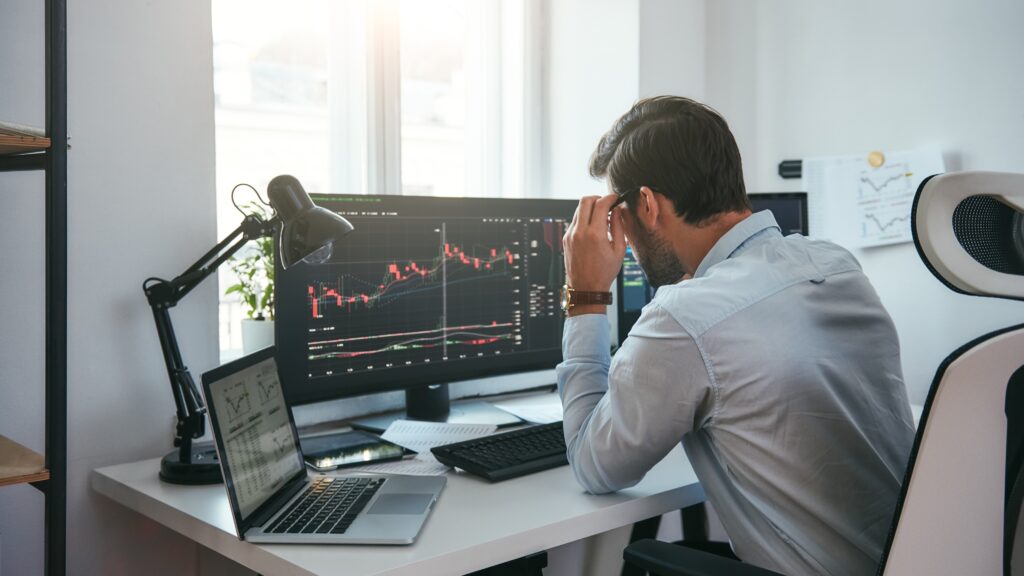
Forex can move fast. News releases can create sharp spikes. Even strong setups can fail. This is why forex risk management must be part of every trade. Risk appears in many forms. Price may move against you. A sudden event can shift a trend. Spread changes can affect stops. Emotional actions can make losses even bigger. Good risk control keeps you safe when the unexpected happens.
Knowing Your Risk Appetite
Your risk appetite is the amount of money you are ready to lose on a trade. Traders with small accounts often risk 0.5% to 1% per trade. Some risk less. Your risk level depends on confidence, experience, and comfort. If you risk too much, you feel stress. Stress leads to errors. If you risk too little, you may not grow. Choose a risk level that lets you think clearly. Stick to it in every setup. This is a basic rule of risk management in forex trading.
Understanding the Risk-Reward Ratio
The risk-reward ratio (RRR) compares the amount you risk to the amount you can earn. A common ratio is 1:2. This means you risk $50 to make $100. A good ratio helps you stay profitable even with a lower win rate. If your trades offer poor reward, skip them. Never enter a setup that gives weak RRR. Good forex trade management starts with smart trade selection.
Types of FX Risk
Risk in the forex market comes from several sources. Knowing these helps you build a stronger plan.
1. Transaction Risk
This risk comes from the time gap between entering and settling a trade. Exchange rates may change during that time.
2. Translation Risk
This affects companies with accounts in more than one currency. When currency values shift, their financial results change.
3. Economic Risk
This is long-term risk from economic events. Political changes, interest rate moves, and inflation all affect currency strength. Understanding these risks helps you grow strong forex capital management habits.
Essential Risk Management Strategies
Good risk control involves simple but powerful steps. Here are the main tools traders use.
Position Sizing in Forex
Position sizing in forex controls how large each trade should be. This depends on your account size, stop-loss distance, and risk level.
Formula:
Position size = (Account Risk $) ÷ (Stop-loss pips × Pip value)
This simple tool protects you from big losses. It keeps risk steady even when the market changes. It is a key part of forex money management.
Using Stop-Loss and Limit Orders
A stop-loss order protects you from large losses. It closes your trade when the market hits your risk limit. Every trade should use a stop-loss. A limit order locks in profit at a chosen target. These tools automate your exits. They keep emotions out of your trading. Stop-loss and limit orders are essential for safe forex trade management.
Leverage Management
Leverage Management
Leverage increases your buying power. But it also increases risk. Many new traders blow accounts because they use too much leverage.
Use these rules:
∙ Keep leverage low.
∙ Do not use your full margin.
∙ Avoid raising leverage after losses.
Managing leverage is one of the most important parts of fx risk management.
Diversification
Do not place all your trades on the same pair. Do not use one strategy for every market. Spread your risk.
You can diversify by:
∙ Trading different currency pairs
∙ Using multiple strategies
∙ Working across several timeframes
Diversification lowers the chance of large losses. It keeps your account more balanced.
Hedging Instruments
Hedging is a way to reduce risk by opening trades that protect each other. Advanced traders hedge during news or volatile sessions.
Forms of hedging include:
∙ Buying one pair and selling a correlated pair
∙ Using options
∙ Opening hedge positions on MT5
Hedging requires experience, but it is useful during unstable markets.
Trading Psychology and Discipline
Risk management fails when emotions take over. Trading psychology is the mental side of trading. It affects how well you follow your plan.
Common emotional traps:
∙ Fear
∙ Greed
∙ Impulse trades
∙ Revenge trades
∙ FOMO
To stay disciplined, create a plan and follow it. The plan should list your risk rules, entry rules, exit rules, and goals. Review your plan weekly. A clear plan supports strong forex risk management.
Building a Trading Plan
A trading plan gives structure to your day. It guides your actions and lowers stress. Your plan should include:
∙ Risk per trade
∙ Risk-reward goals
∙ Trading times
∙ Preferred setups
∙ Stop-loss strategy
∙ Position sizing rules
∙ Emotional rules (e.g., no trading when stressed)
A plan is a map. Follow it closely to avoid emotional mistakes.
Trading Plan Example
| Component | Description |
| Account Size | $5,000 |
| Risk Per Trade | 1% ($50) |
| Max Trades Per Day | 3 |
| Preferred Pairs | EUR/USD, XAU/USD, GBP/USD |
| Risk-Reward Ratio | 1:2 minimum |
| Stop-Loss Distance | 25–40 pips |
| Strategy | Trend following, 1H charts |
How MT5 Supports Forex Risk Management
MetaTrader 5 offers tools that help traders manage risk. These include:
∙ Built-in stop-loss and take-profit settings
∙ Margin and equity monitoring
∙ Position size calculators
∙ Volatility indicators
∙ Custom risk scripts
Trade 247, an SCA-regulated broker, provides MT5 so you can apply your risk rules safely.
Final Thoughts
Good forex risk management keeps you in the market for years, not days. When you control your risk, you protect your capital and grow steadily. Combine smart position sizing, strong discipline, and stable psychology. Use stop-losses and manage leverage carefully. With consistent effort, you will build strong trading habits.
Trade 247 is an SCA-regulated Forex Broker that offers MT5 which the best trading platform for applying strong risk rules. Use its tools to manage trades, size positions, and stay disciplined. With the right mindset and plan, you can trade safely and successfully.