




Blog Summary
This guide introduces Filipino investors to the basics of commodity investing and how it can help diversify an investment portfolio. It covers popular commodities such as gold, crude oil, silver, copper, and natural gas, as well as the key factors that affect their prices, including inflation, supply and demand, and global market events. The guide also explains the different ways Filipinos can invest in commodities through ETFs, commodity related stocks, futures, and CFDs, while highlighting the potential risks and sharing practical tips to help beginners get started with confidence.
Table of contents
Commodities have long been an important part of many Filipino investors’ portfolios. They offer diversification, can help protect against inflation, and provide exposure to both the Philippine and global economies. As more Filipinos explore investment opportunities beyond traditional assets like stocks and bonds, many ask what are good commodities to invest in and which commodity markets offer the best potential.
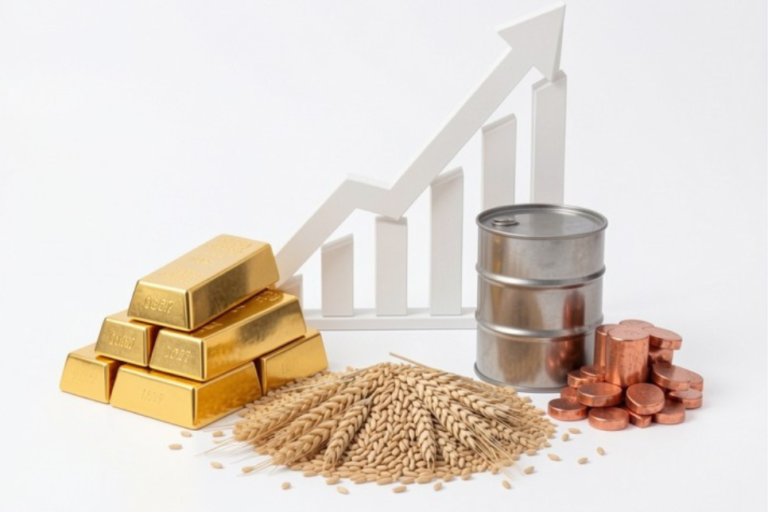
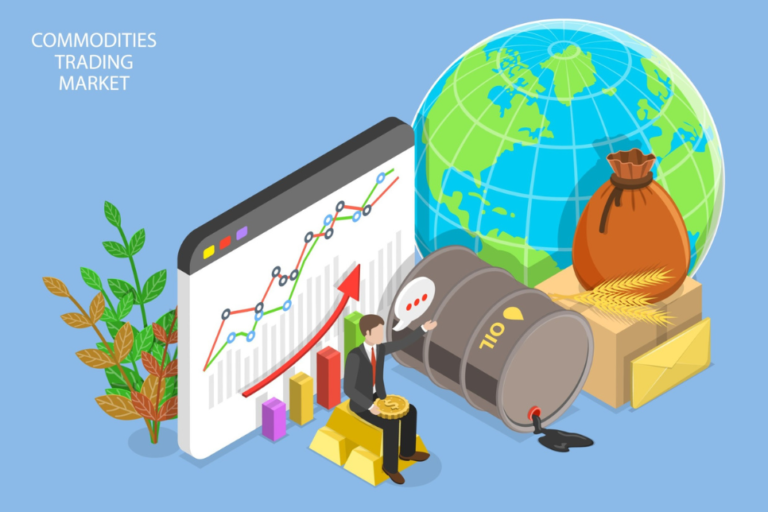
Understanding what are commodities in investing is essential before choosing specific assets. Commodities are raw materials and natural resources that play a vital role in the global economy. From gold and crude oil to copper and agricultural products, commodity prices often move differently from stocks and other financial assets, making them a useful addition to a diversified portfolio.
In this guide, we’ll explain what are the best commodities to invest in, explore the key factors that influence commodity prices, and discuss how Filipino investors and traders can gain exposure to commodity markets in 2026.
What Are Commodities in Investing?
Before discussing what are the best commodities to invest in, it’s important to understand what commodities are in investing.
Commodities are physical goods that can be bought, sold, and traded in global markets. Unlike stocks, which represent ownership in companies, commodities are tangible assets that include natural resources and raw materials used across many industries.
For Filipino investors, commodities also provide an opportunity to gain exposure to global markets without relying solely on the performance of the local stock market.
Major commodity categories include:
Energy Commodities
- Crude Oil
- Natural Gas
- Gasoline
Precious Metals
- Gold
- Silver
- Platinum
- Palladium
Industrial Metals
- Copper
- Aluminum
- Nickel
- Zinc
Agricultural Commodities
- Wheat
- Corn
- Soybeans
- Coffee
- Sugar
Many Filipino investors include commodities in their portfolios because commodity prices often move differently from stocks and bonds. This diversification can help reduce overall portfolio risk while providing exposure to global economic and market trends.
Why Invest in Commodities?
Many Filipino investors add commodities to their portfolios for several reasons.
Diversification
Commodity prices often react differently to economic events than stocks, helping diversify investments across different asset classes.
Inflation Protection
Commodities such as gold have historically performed well during periods of rising inflation, making them a popular choice for investors looking to preserve purchasing power.
Global Growth Exposure
As the global economy grows, demand for commodities like oil, copper, and agricultural products can increase, creating investment opportunities for Filipino traders and investors.
Portfolio Stability
Certain commodities may help balance a portfolio during periods of market volatility and economic uncertainty because they often do not move in the same direction as equities.
These benefits are why many Filipino investors ask what are good commodities to invest in when building a diversified investment portfolio.
What Are the Best Commodities to Invest In?
The answer depends on your financial goals, risk tolerance, and market outlook. For Filipino investors and traders, some commodities consistently attract attention in 2026 due to their role in both global markets and local investment strategies.
1. Gold
Gold remains one of the most widely traded and trusted commodities worldwide, including among Filipino investors who often view it as a long-term store of value.
Why Investors Like Gold
- Store of value over time
- Hedge against inflation
- Safe-haven asset during market uncertainty
- Strong demand from central banks and global markets
Gold often becomes more attractive when global markets are volatile or when inflation pressures rise, making it a common choice for investors looking for stability.
Potential Risks
- Does not generate regular income like dividends or interest
- Can underperform during strong economic growth periods when risk assets rally
Even with these limitations, gold remains one of the most common answers when investors ask what are the best commodities to invest in, especially for those seeking a defensive addition to their portfolio.
2. Crude Oil
Crude oil is one of the most actively traded commodities in global markets, and it also matters to Filipino consumers and investors because fuel prices in the Philippines are closely tied to international oil movements.
Why Investors Like Oil
- Strong global demand across industries and transport
- High liquidity in global trading markets
- Exposure to overall economic growth trends
Oil prices are closely linked to transportation, manufacturing, and industrial activity, which makes it a key indicator of global economic health.
Potential Risks
- Geopolitical tensions affecting supply routes and production
- Sudden changes in global supply from major producers
- Economic slowdowns reducing demand
Because of these factors, oil can be highly volatile, so Filipino traders often pay close attention to risk management when including it in their strategies.
3. Copper
Copper has gained strong attention from global investors in recent years, and it is also relevant for the Philippines due to its role in infrastructure development and industrial growth.
Why Investors Like Copper
Copper plays a key role in:
- Electric vehicles (EVs)
- Renewable energy systems
- Infrastructure projects
- Construction and real estate development
Many analysts see copper as a long-term growth commodity because demand is expected to rise with global electrification and urban expansion.
Potential Risks
- Slowdowns in global economic activity
- Fluctuations in industrial demand
- Sensitivity to manufacturing cycles
For Filipino investors, copper is often viewed as a cyclical commodity that performs best during periods of strong global growth.
4. Silver
Silver is unique because it has both industrial use and investment appeal, making it popular among Filipino investors who want exposure to precious metals beyond gold.
Why Investors Like Silver
- Precious metal characteristics similar to gold
- Strong industrial demand base
- Growing use in renewable energy technologies
Silver is used in:
- Solar panels
- Electronics
- Medical equipment
Because of this dual role, silver can benefit from both economic growth and increased investor demand, especially during long-term industrial expansion trends.
Potential Risks
- Higher price volatility compared to gold
- Sensitive to industrial demand cycles
5. Natural Gas
Natural gas remains a key energy commodity in global markets and plays an important role in electricity generation and industrial production.
Why Investors Like Natural Gas
- Rising global energy demand
- Essential fuel for power generation
- Expanding international trade and exports
Natural gas prices often react quickly to weather conditions, supply changes, and geopolitical developments, making it an active trading commodity.
Potential Risks
- Seasonal demand shifts
- Weather-driven price volatility
- Supply chain disruptions
6. Agricultural Commodities
Agricultural commodities are essential to the global food supply chain and remain relevant even during economic downturns. These include widely traded products such as:
- Wheat
- Corn
- Soybeans
- Coffee
- Sugar
Why Investors Like Agriculture
- Constant global demand
- Population growth support
- Food security importance
Potential Risks
- Weather events
- Crop diseases
- Trade policy changes
For Filipino investors, agricultural commodities are often seen as a useful diversification tool because their price movements are influenced by different factors compared to metals and energy markets.
Commodity Comparison Table
Commodity | Main Investment Theme | Risk Level | Growth Potential |
Gold | Safe haven, inflation hedge | Low-Medium | Medium |
Silver | Precious metal + industrial use | Medium | Medium-High |
Crude Oil | Global economic activity | High | Medium-High |
Copper | Infrastructure and electrification | Medium | High |
Natural Gas | Energy demand | High | Medium |
Agriculture | Food demand | Medium | Medium |
This comparison helps investors evaluate what are good commodities to invest in based on their objectives.
Current Commodity Trends in 2026
Several key developments are shaping global commodity markets, and Filipino investors are closely watching these shifts when building long-term strategies.
Energy Transition
Demand for metals such as:
- Copper
- Nickel
- Lithium
These materials are essential for electric vehicles, battery storage systems, and renewable energy infrastructure. As countries push for lower carbon emissions, demand for these commodities is expected to stay strong.
Central Bank Gold Buying
Central banks around the world continue to increase their gold reserves. This ongoing demand supports gold prices and reinforces its role as a long-term store of value for both institutions and individual investors.
Infrastructure Spending
Large-scale infrastructure projects across multiple regions are increasing demand for industrial metals. Construction, transportation systems, and urban development all contribute to higher consumption of materials like steel-related inputs and copper.
Supply Chain Changes
Global companies are restructuring supply chains to reduce risk and improve efficiency. This shift is creating new patterns of commodity demand, especially in energy and manufacturing-related materials.
These ongoing trends continue to influence how Filipino investors evaluate what are the best commodities to invest in and how they position their portfolios in 2026.
Ways to Invest in Commodities
Filipino investors have several practical ways to gain exposure to commodities, depending on experience level, risk appetite, and capital.
Commodity ETFs
Exchange-Traded Funds (ETFs) are one of the simplest ways to invest in commodities without physically owning them.
Examples include:
- Gold ETFs
- Silver ETFs
- Energy ETFs
ETFs are popular among beginners in the Philippines because they are easier to access compared to direct commodity trading.
Commodity Stocks
Another approach is investing in companies that are directly involved in commodity production and supply.
- Mining companies
- Energy producers
- Agricultural businesses
These stocks allow investors to benefit from commodity price movements indirectly, while also earning potential dividends depending on the company.
Futures Contracts
Futures provide direct exposure to commodity prices and are widely used in global trading markets.
However, they are more complex and typically used by experienced traders due to leverage, margin requirements, and higher risk exposure.
CFDs
CFDs allow traders to speculate on commodity price movements without owning the underlying asset.
They offer flexibility and access to both rising and falling markets, but they also carry higher risk, especially for short-term trading strategies.
Commodity Stocks vs Commodities
Many investors choose between commodity stocks and direct commodity exposure.
Commodity Stocks | Direct Commodities |
Ownership in companies | Exposure to commodity prices |
Company-specific risk | Commodity-specific risk |
Potential dividends | No dividends |
Management influences returns | Driven mainly by supply and demand |
Both approaches have advantages depending on investment goals.
Risks of Commodity Investing
Market Volatility
Commodity prices can change rapidly.
Geopolitical Events
Political instability often impacts supply.
Economic Conditions
Demand can weaken during recessions.
Currency Fluctuations
Most commodities are priced in U.S. dollars.
How Beginners Can Start Investing in Commodities
For Filipino beginners, getting started in commodity investing is easier when you follow a structured approach and avoid rushing into complex instruments.
Step 1: Understand the Market
Learn what drives commodity prices.
Step 2: Choose Your Investment Method
Select ETFs, stocks, futures, or CFDs based on your experience level.
Step 3: Start Small
Avoid overexposure when learning.
Step 4: Diversify
Avoid concentrating your portfolio in a single commodity.
Step 5: Monitor Global Trends
Commodity markets react to worldwide events.
Final Thoughts
Understanding what commodities are in investing helps Filipino investors build more diversified and resilient portfolios. Commodities give exposure to essential parts of the global economy and can create opportunities across different market conditions, whether markets are rising, slowing, or moving sideways.
When deciding what are good commodities to invest in, it’s important to match choices with your financial goals, risk tolerance, and how long you plan to stay invested. In 2026, assets like gold, crude oil, copper, silver, natural gas, and agricultural commodities continue to be widely followed by traders and investors, including those in the Philippines.
For those asking what are the best commodities to invest in, there is no single answer that works for everyone. The right choice depends on your strategy, timing, and overall market outlook.
For access to global commodity markets, Trade 24/7 provides trading access through MetaTrader 5, allowing traders and investors to analyze markets and manage positions using widely used trading tools.
As always, Filipino investors should focus on disciplined risk management and avoid overexposure to any single commodity or market cycle.
FAQs
Commodities are raw materials and natural resources such as gold, oil, silver, and agricultural products that investors can trade or invest in.
Popular choices include gold, silver, crude oil, copper, natural gas, and agricultural commodities because of their importance in the global economy.
Gold, silver, and certain energy commodities are often considered attractive during periods of rising inflation.
Yes. Many beginners start with commodity ETFs or commodity-related stocks because they are easier to access than futures markets.
Some commodities can be more volatile than stocks because they are heavily influenced by supply, demand, weather, and geopolitical developments.
Ready to Trade Like a Pro?
Open Your Account